

For bag brands, private-label sellers, and sourcing teams, choosing between genuine leather and PU is rarely a question of appearance alone. Material selection directly affects product positioning, cost control, manufacturing consistency, and long-term supply stability.
Understanding the Materials First
What Is a Genuine Leather Bag?
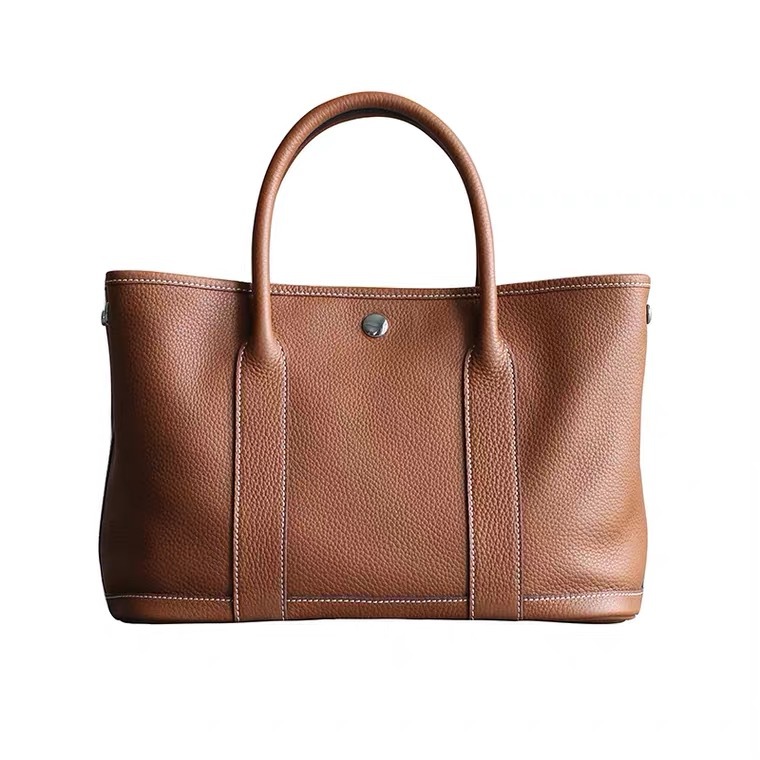
A genuine leather bag is made from natural animal hide, usually cowhide, though other types such as sheep or goat leather are also used in smaller leather goods. After tanning and finishing, the leather retains its natural fiber structure. This is why real leather feels slightly uneven, warm to the touch, and flexible rather than stiff.
In leather manufacturing, genuine leather can include full-grain leather, top-grain leather, or corrected leather. The quality depends on how much the surface is treated. Most genuine leather handbags and leather backpacks are designed to balance durability, appearance, and cost.
What Is a PU Bag?
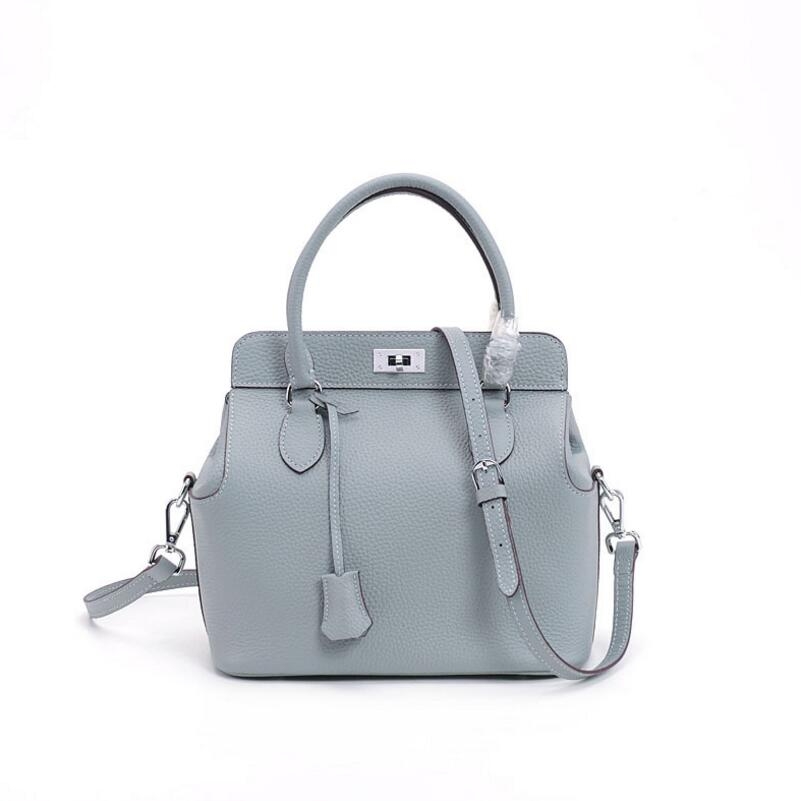
PU bags are made from polyurethane leather, a synthetic material designed to imitate the look of real leather. PU leather is created by coating a fabric base—often polyester or microfiber—with a polyurethane layer. The surface can be embossed with grain patterns, colored easily, and produced in large volumes.
Because of this, PU leather bags are widely used in fashion bags, promotional bags, and budget-friendly product lines. Many PU handbags today look quite refined, especially when new.
Cost Structure and Price Control
Cost predictability is a key concern for B2B buyers. Genuine leather prices fluctuate depending on raw hide supply, tanning processes, and market demand. This can introduce uncertainty in long-term pricing, particularly for repeat programs.
PU leather offers stronger cost stability. Pricing is generally more predictable, making it suitable for fixed-price contracts and price-sensitive markets. For brands targeting entry-level or mid-range segments, PU bags allow tighter cost control without compromising basic design expectations.
Durability and Product Lifespan Considerations
From a supply chain perspective, durability is not only about material strength but also about after-sales risk. Genuine leather bags typically maintain structural integrity over long use cycles. Surface changes may occur, but the base material remains stable, reducing the likelihood of functional failure.
PU bags perform well within defined usage periods. However, long-term exposure to heat, humidity, or repeated folding may lead to surface cracking or peeling. For seasonal programs or fast-turn fashion lines, this risk is often acceptable. For long-term distribution programs, it requires careful evaluation.
Manufacturers supplying to international markets must consider local climate conditions, storage environments, and transportation duration when selecting PU or genuine leather.
Manufacturing Complexity and Lead Time
Producing genuine leather bags generally involves more manual processes. Cutting, skiving, and surface matching require skilled labor. This can affect lead times, especially during peak seasons.
PU bag production is more standardized. Automated cutting and sewing processes can be applied more easily, allowing faster scaling and shorter production cycles. This advantage is significant for brands managing frequent style updates or rapid replenishment.
For OEM and ODM clients, working with an experienced bag manufacturer such as Zexin helps balance these factors, ensuring lead times remain realistic regardless of material choice.
Quality Consistency and Inspection
Quality control approaches differ significantly between the two materials. Genuine leather requires flexible inspection standards, recognizing natural variation while controlling structural defects. This requires close coordination between supplier and buyer on acceptable tolerance levels.
PU bags allow stricter visual and dimensional standards. Defect rates are easier to manage, and inspection criteria can be clearly defined. This consistency is one reason PU leather bags are widely used in large retail programs and promotional orders.
Market Positioning and Product Strategy
In B2B markets, material choice often signals brand positioning. Genuine leather bags are commonly placed in mid-to-high-end lines, business collections, or long-term core products. PU bags are widely used in trend-driven collections, entry-level assortments, and private-label programs.
Many successful brands use both materials strategically. Rather than competing, genuine leather and PU bags serve different commercial roles within the same product portfolio.
Sustainability and Compliance Factors
Environmental considerations are increasingly part of sourcing decisions. Genuine leather is a natural material but involves chemical treatment during tanning. PU leather avoids animal materials but is synthetic and less biodegradable.
For B2B buyers, the focus is often on compliance, traceability, and durability rather than simple material classification. Bag manufacturers like Zexin support clients by offering compliant material options and production transparency for both genuine leather and PU bag programs.
Choosing the Right Material for OEM and ODM Projects
Material selection should align with target market, expected volume, and distribution channel. Genuine leather bags suit programs where longevity, material authenticity, and brand image are priorities. PU bags are more suitable for cost-efficient production, design flexibility, and stable large-scale supply.
Clear communication with the bag supplier during the early development stage helps reduce later adjustments and cost overruns.
FAQs: Genuine Leather Bag vs PU Bag
Which material is more suitable for long-term OEM programs?
For long-term OEM programs with stable styles, genuine leather bags are often preferred. Although material costs fluctuate, leather maintains structural integrity over longer use cycles, which helps reduce after-sales issues and product replacement risks. PU bags are more commonly used in short-term or seasonal OEM programs where design turnover is high and cost predictability is prioritized.
Are PU bags suitable for export markets with hot or humid climates?
PU bags can be exported to hot or humid regions, but material specifications must be selected carefully. Lower-grade PU may face surface aging issues during long storage or transportation.
How does material choice affect MOQ and production planning?
PU leather bags generally allow lower MOQ and faster scaling due to standardized material supply. Genuine leather bags may require higher MOQ or longer preparation time because hide selection and cutting plans impact yield rates. For ODM projects, early material confirmation helps optimize production efficiency regardless of material type.
From a quality control standpoint, which material is easier to manage?
PU bags offer higher visual consistency, making quality inspection more standardized. Genuine leather requires more flexible inspection criteria to account for natural grain variation. However, with clear quality standards and experienced production management, both materials can meet international quality expectations.
Which material offers better cost stability for repeat orders?
PU bags generally provide stronger cost stability for repeat orders due to controlled raw material pricing. Genuine leather prices may vary between production cycles. Brands with fixed retail pricing often consider PU for better margin control, while brands emphasizing material authenticity may accept leather price variation as part of their sourcing strategy.
Conclusion: Strategic Material Choices with Zexin
The difference between genuine leather bags and PU bags goes beyond appearance. For brands and importers, it affects pricing models, production planning, quality control, and long-term supply reliability.
As an experienced bag manufacturer and supplier, Zexin provides both genuine leather bags and PU bags for OEM and ODM clients worldwide. By understanding each material’s role in product strategy, Zexin helps brands develop collections that match their market goals while maintaining stable production and consistent quality.
If you are evaluating material options for your next bag program, working with Zexin allows you to make informed, practical decisions backed by manufacturing experience.